Why review matters: it is better to review a little at a time
What research says about reviewing last year’s material and how to spread it over the whole break: a few exercises a day, not everything in one week.
Reviewing what was studied in the previous school year is an important part of effective learning. For children, it should not be limited to a few days before school starts, but done gradually, over a longer period, including during the new school year. This approach gives students the chance to reactivate their knowledge, strengthen their skills and start new lessons on a more solid foundation.
Why we forget and how review helps
Research in cognitive psychology shows that what we learn can be forgotten over time if it is not reactivated. Coming back to knowledge regularly helps consolidate memory and retain information in the long term. In addition, prior knowledge is the foundation on which children build new learning at school. When that foundation is fragile, understanding new concepts can become harder.
What the research says
An important argument comes from Donoghue and Hattie (2021), who carried out a meta-analysis of 242 studies with 169,179 participants (Donoghue & Hattie, 2021). The authors analyzed how effective several learning techniques are and highlighted the importance of practice spread out over time and of active recall. The results support the idea that students benefit from returning to the material regularly, instead of concentrating all their learning effort into a very short period.
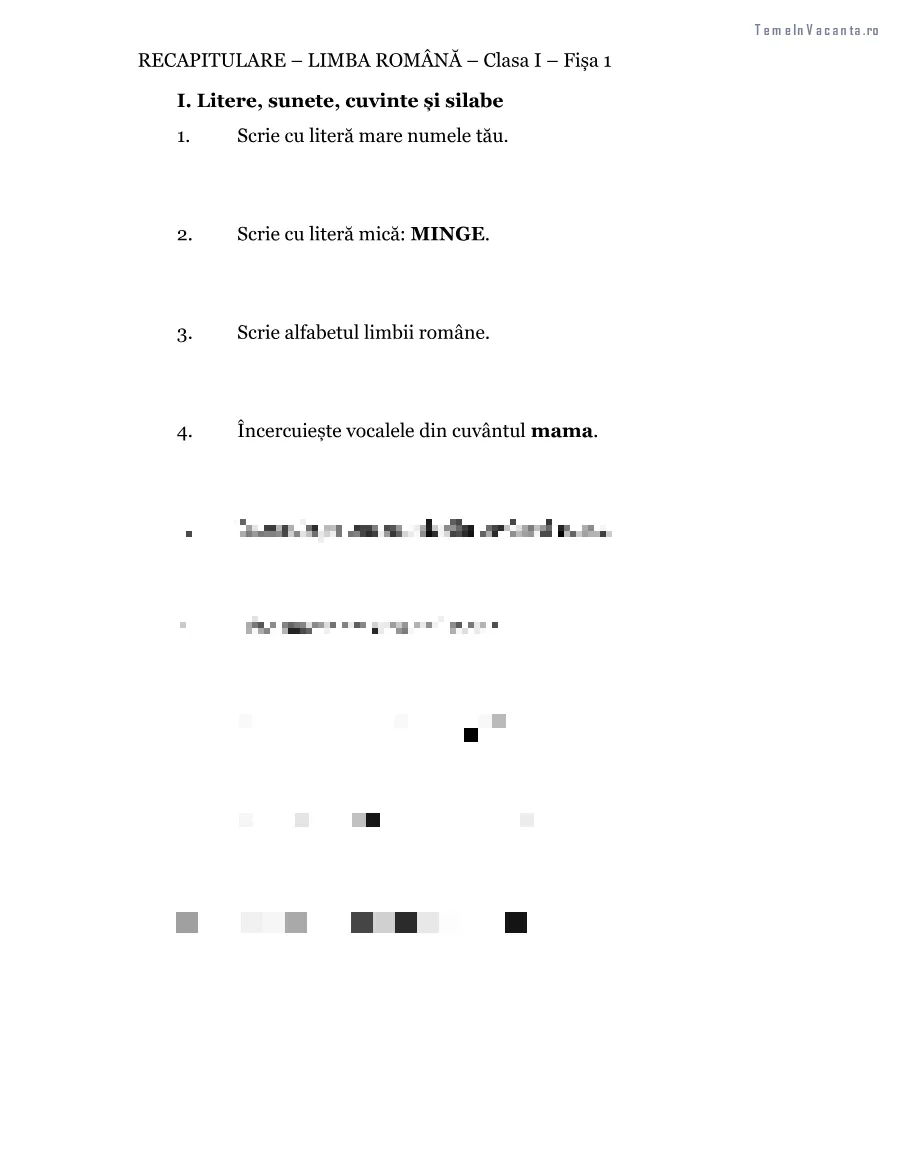
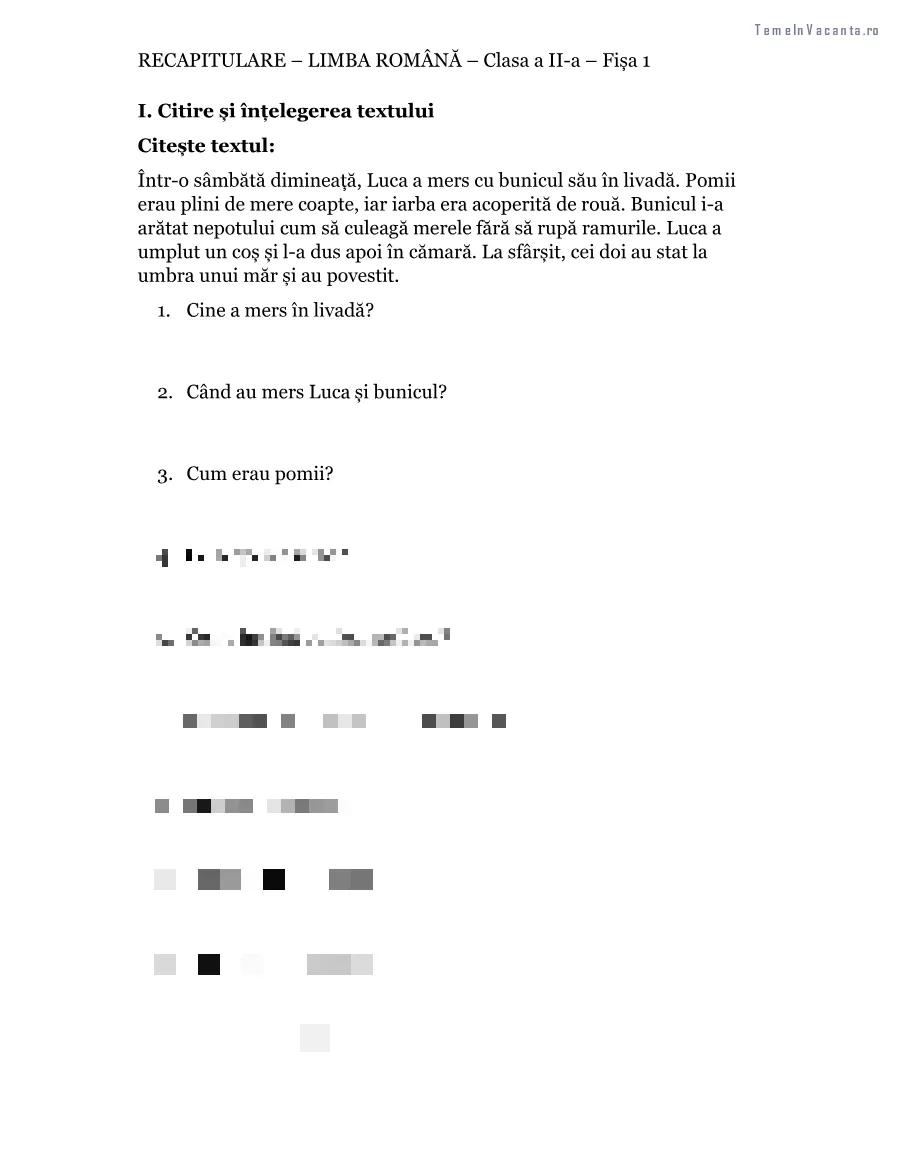
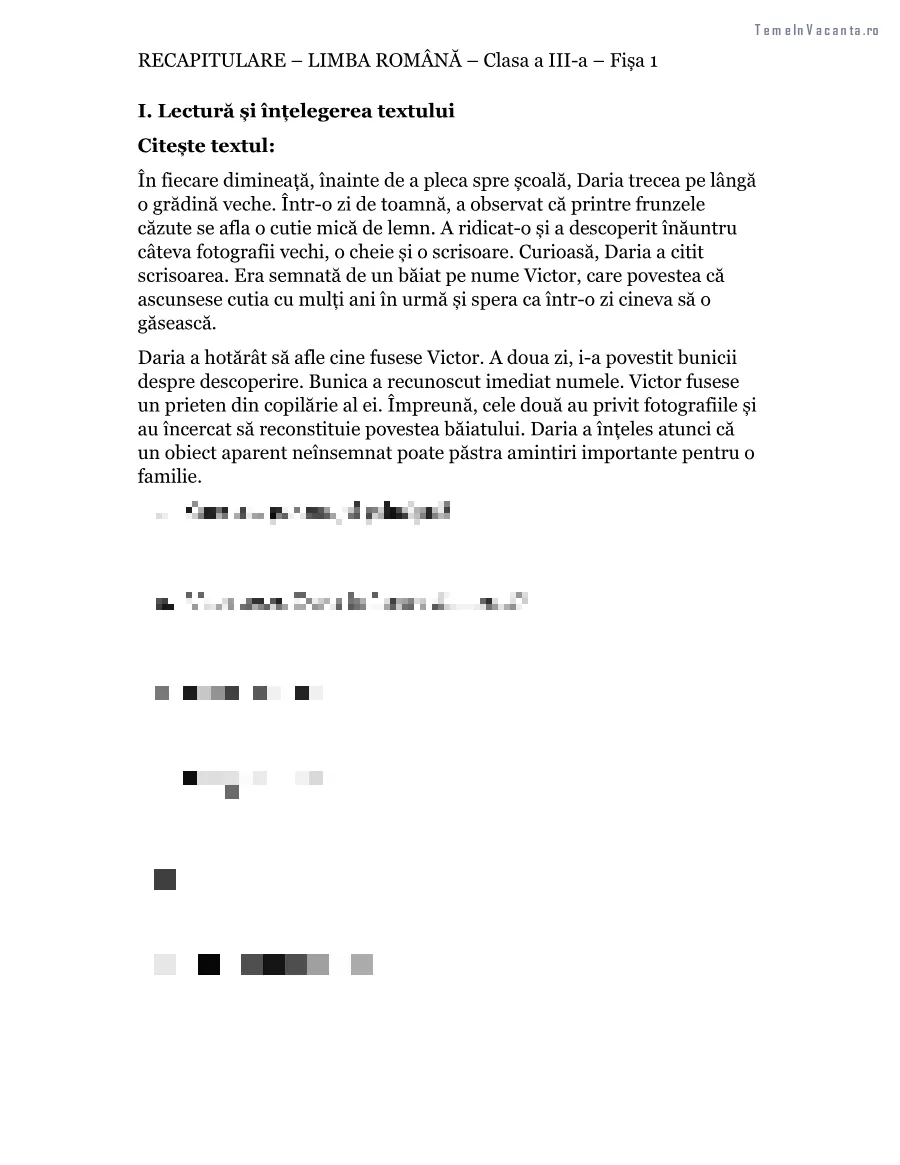
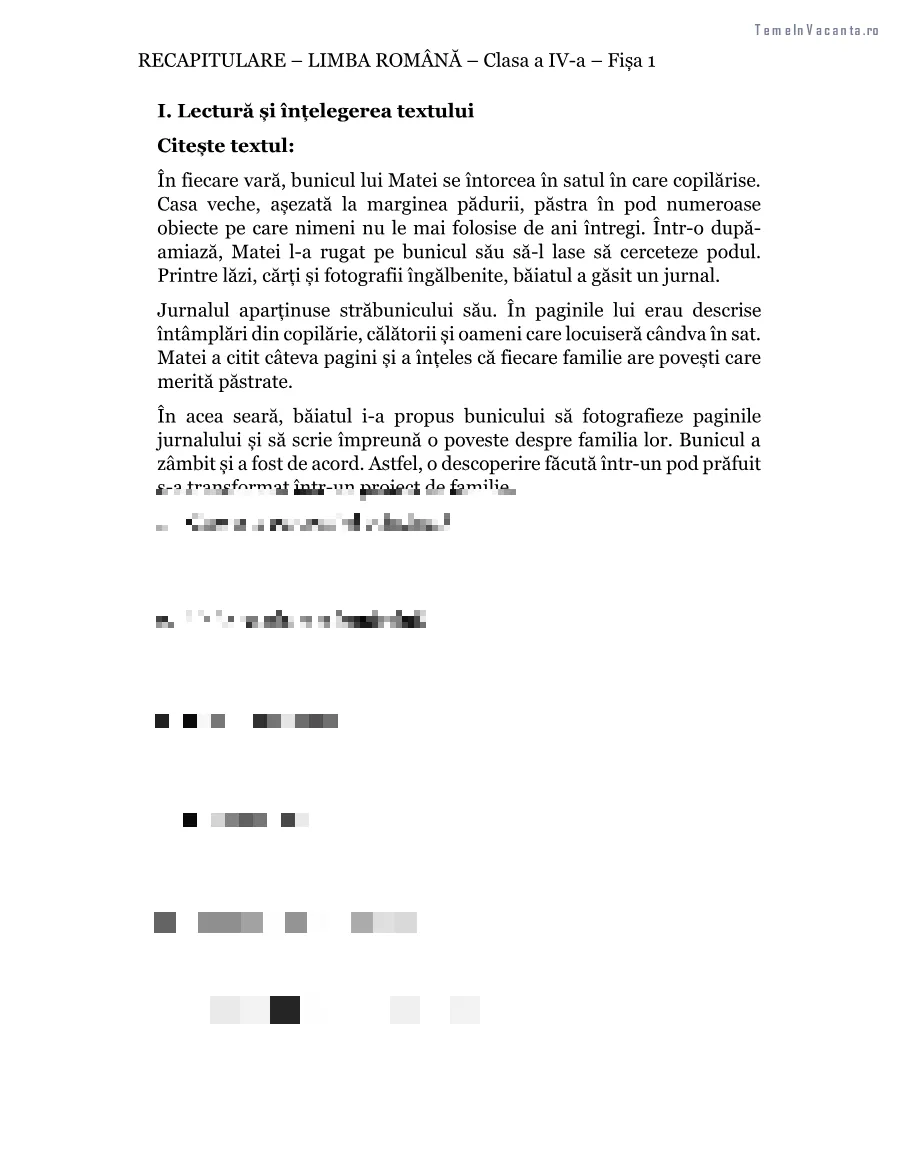
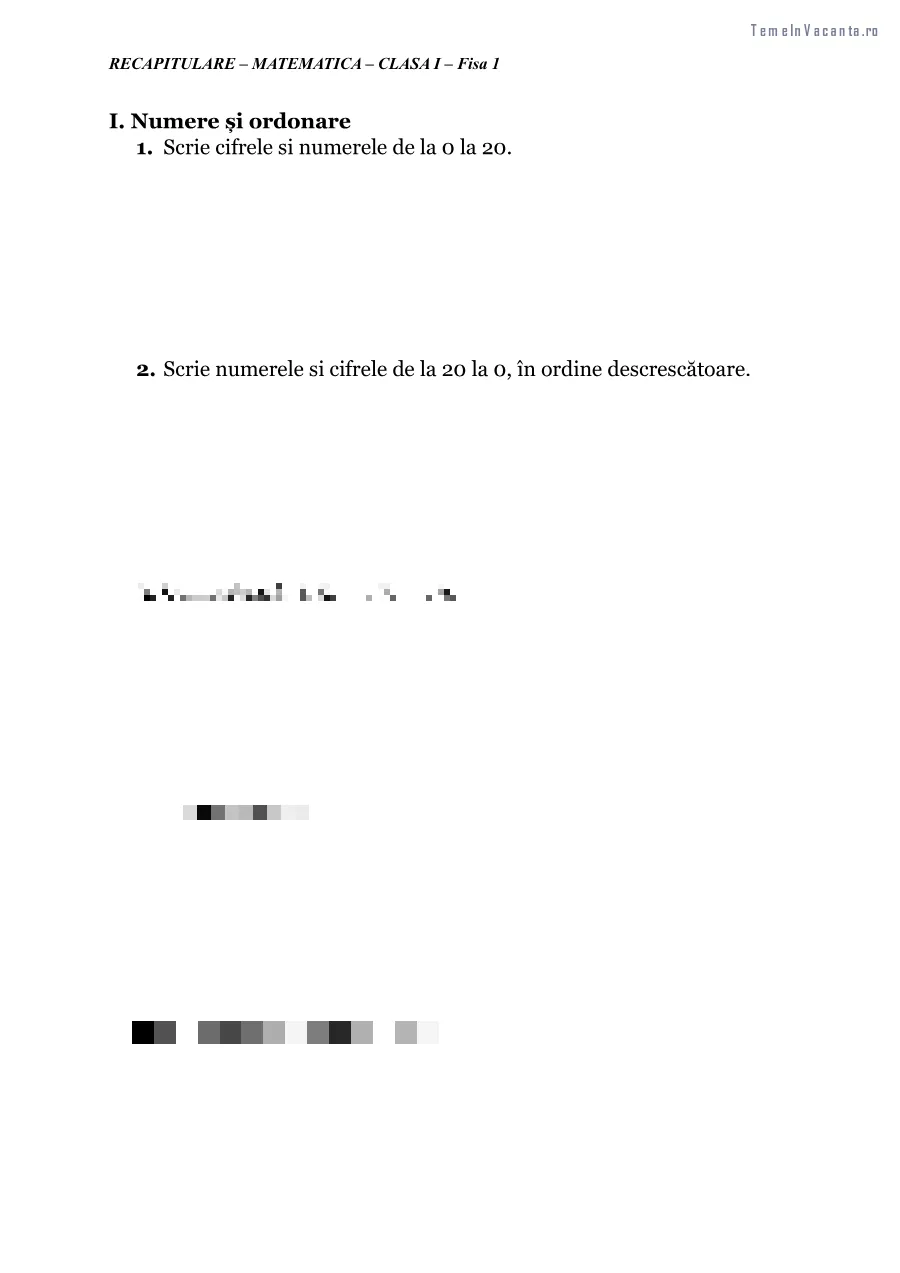
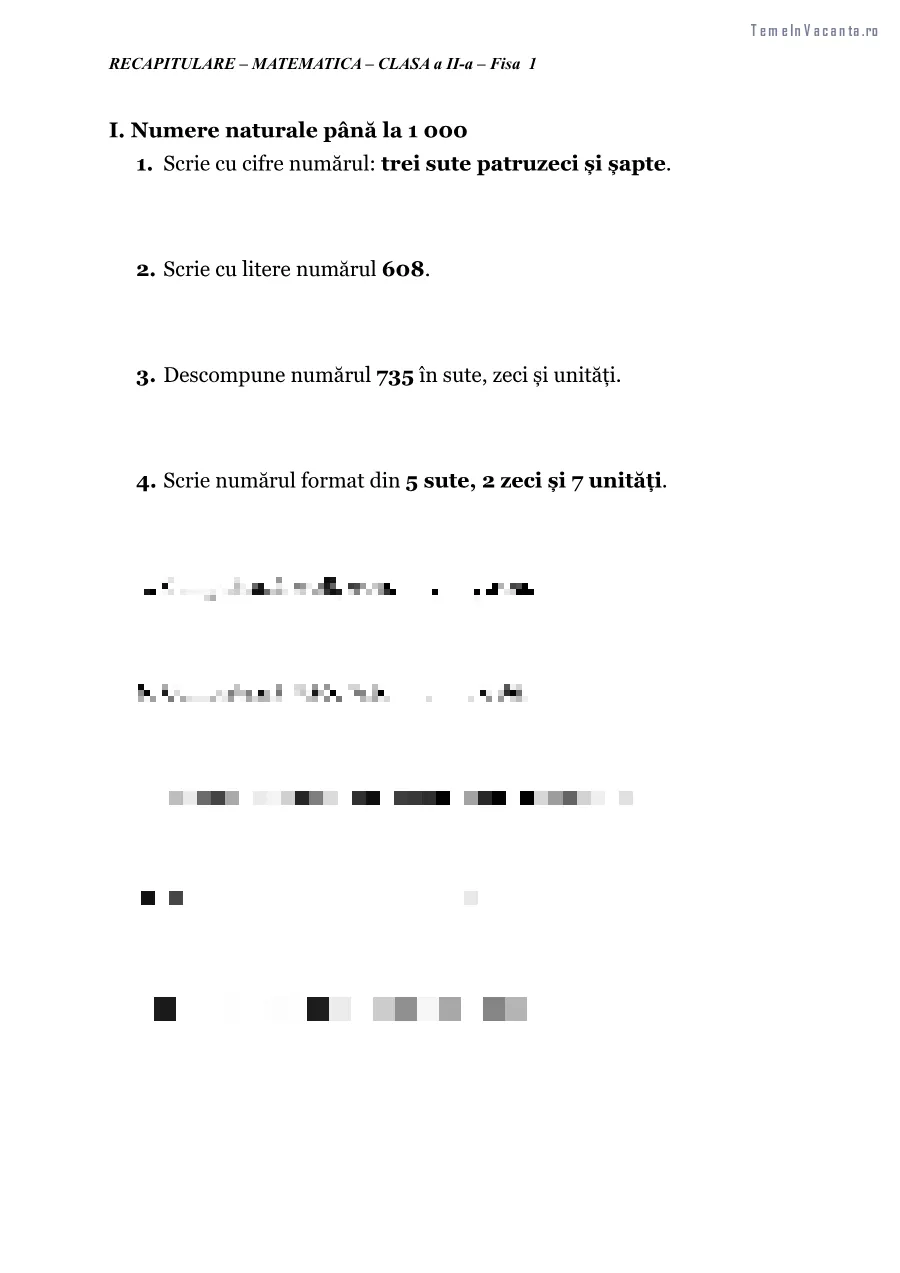
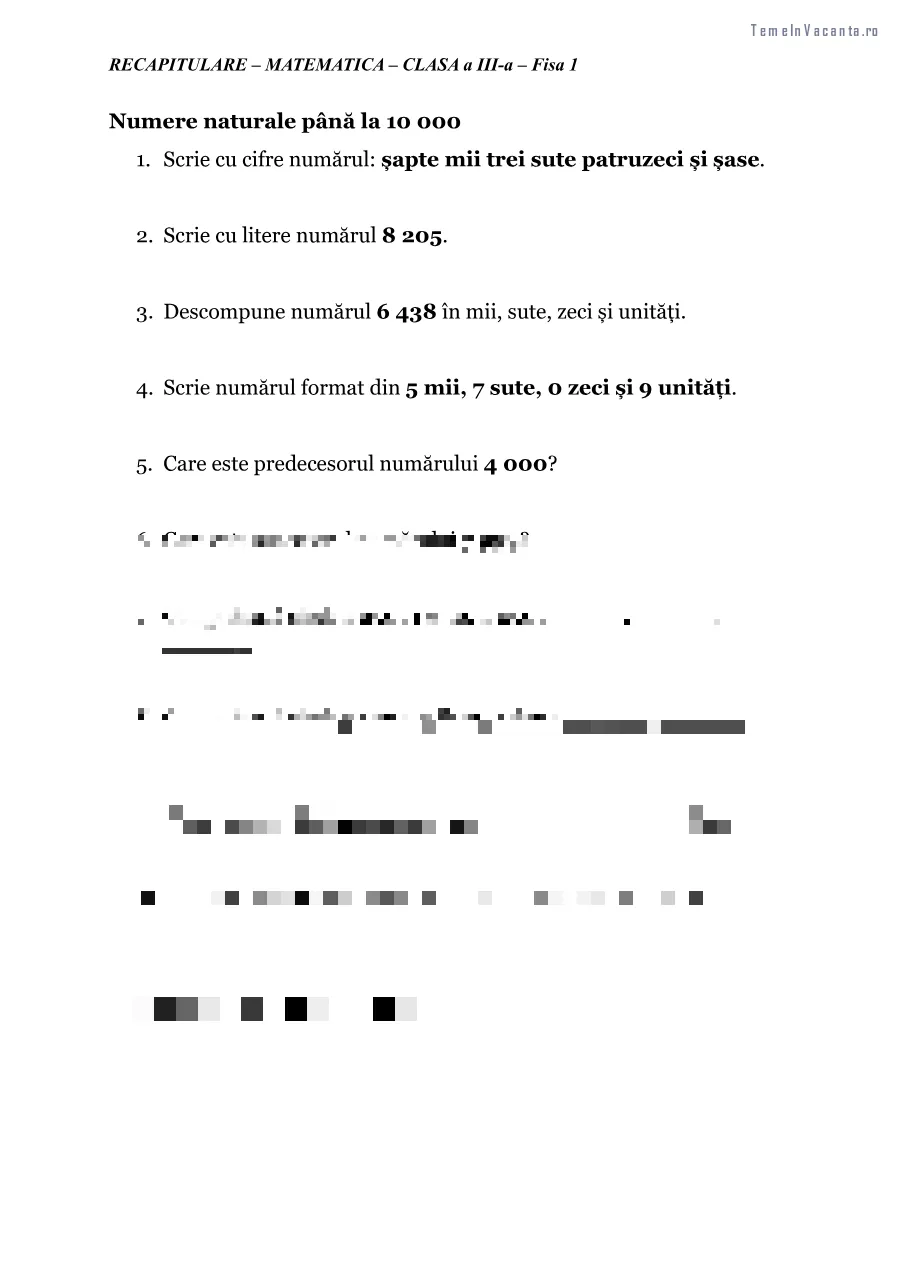
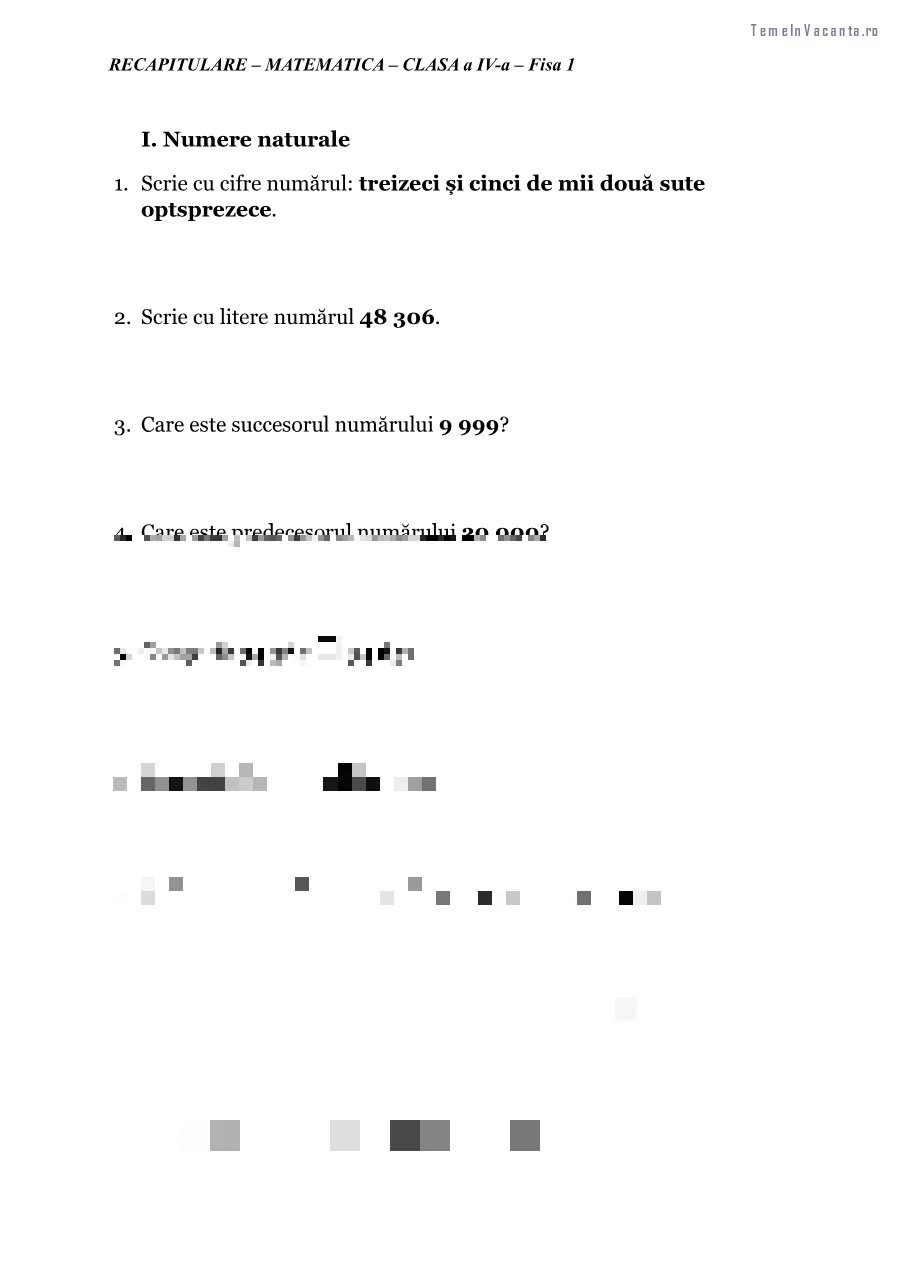
temeinvacanta.ro offers review materials for Romanian language and math, for grades 1–4: Romanian review and math review. Our suggestion is that children use these materials throughout the whole school break, at most 10 questions a day, so they are solved over time rather than all at once.
Carpenter, Pan and Butler (2022) also reviewed research on spaced repetition and retrieval practice (Carpenter, Pan & Butler, 2022). Their synthesis shows that these strategies can improve long-term retention and support learning in a wide range of educational settings. Review should therefore not be seen only as a step before school starts, but as a continuous process that is part of learning.
Along the same lines, Dunlosky and colleagues (2013) evaluated several learning techniques and highlighted the usefulness of practice testing and distributed practice (Dunlosky et al., 2013). These methods help students notice what they have forgotten, fill gaps and consolidate what they know. It is important that review includes not only re-reading lessons, but also solving exercises, answering questions and explaining ideas in their own words.
Gaps show up early
Another advantage of reviewing over a longer period is that learning difficulties can be spotted early. Through short exercises and regular check-ins, teachers and parents can see which ideas have been forgotten or only partly understood. Support can then be adapted to each child’s needs before gaps pile up and affect the understanding of new material.
Less pressure
Spreading review out can also reduce the pressure of getting ready for school. Instead of having to go over a large amount of information in a very short time, the child can work at a more balanced pace. Breaks between sessions, alternating activities and adjusting the difficulty of exercises can make learning more sustainable. The goal is not to stretch the holidays artificially with extra homework, but to consolidate knowledge without overload.
What spaced review looks like in practice
In practice, an effective solution is to spread review over several weeks and keep it going, in short doses, alongside new lessons. For example, students can regularly solve a few exercises from last year’s material, go back over key ideas before a new lesson or revisit the concepts they are less sure of. How often and what they review should be adapted to their age, level and individual needs. A colorful weekly planner can help children see their progress.
In conclusion
Scientific evidence supports regular review spread over a longer period, rather than intensive review in just a few days before the school year begins. An effective approach means gradually revisiting key ideas, short exercises and regular returns to the information, alongside new material. Although the studies cited do not set a universal, required length for review at the start of the school year, they offer strong arguments for continuously consolidating knowledge and for not concentrating all the effort into a very short time.
References
- Donoghue, G. M., & Hattie, J. A. C. (2021). A Meta-Analysis of Ten Learning Techniques. Frontiers in Education, 6, 581216. doi.org/10.3389/feduc.2021.581216
- Carpenter, S. K., Pan, S. C., & Butler, A. C. (2022). The Science of Effective Learning With Spacing and Retrieval Practice. Nature Reviews Psychology, 1, 496–511. doi.org/10.1038/s44159-022-00089-1
- Dunlosky, J., Rawson, K. A., Marsh, E. J., Nathan, M. J., & Willingham, D. T. (2013). Improving Students’ Learning With Effective Learning Techniques: Promising Directions From Cognitive and Educational Psychology. Psychological Science in the Public Interest, 14(1), 4–58. doi.org/10.1177/1529100612453266